


Retort Packaging Meets Precision Sterilization: The DTS × Amcor Partnership
How high-barrier retort packaging and precision sterilization are engineered as one integrated system for shelf-stable food.
Why Shelf-Stable Food Is Rewriting Packaging Requirements
Consumers today weigh food safety, storage stability and clean label as heavily as taste and price. Packaging material safety — no harmful substance migration — has become a baseline requirement for the whole packaging chain.
At the same time, ambient, ready-to-eat products keep growing because they remove cold-chain dependence — and they create a hard demand for long-shelf-life packaging that locks in freshness and blocks contamination.
Most shelf-stable foods go through high-temperature sterilization, so packaging must withstand high heat and pressure: no deformation, no seal failure, no release of harmful substances — while keeping barrier performance stable for the entire shelf life.
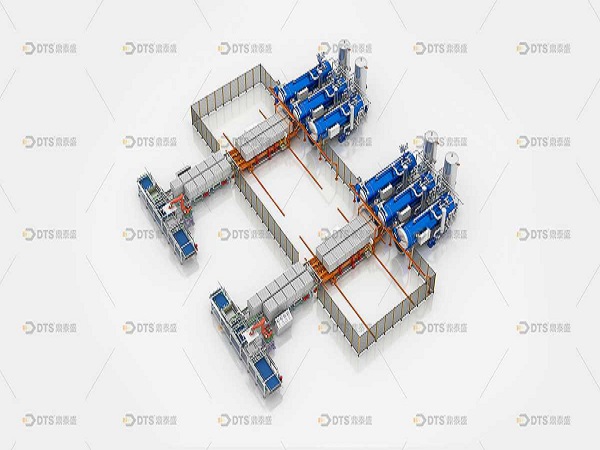
DTS — Retort Equipment (retort-machine.com)
26 years in industrial thermal processing
7,500+ batch retorts delivered; customers in 60 countries
ASME, CE-PED, FDA 21 CFR 113, CRN, DOSH, KEA compliant
±0.5°C thermal distribution; turnkey retort rooms
Amcor — Global Packaging Partner (amcor.com)
Global leader in packaging for consumer & healthcare products
13 production sites and 3,700+ employees in Greater China
Shelf-stable retort line: pouches, trays, lidding films, rollstock
AmLite HeatFlex™ Recycle-Ready — world’s first recycle-ready retort pouch
PA/EVOH co-extruded high-barrier films
What Modern Retort Packaging Demands From the Sterilization System
Amcor’s shelf-stable retort packaging line covers pre-made pouches, trays, lidding films and rollstock — foil and non-foil, clear and opaque, with re-closable options. High-barrier structures on PA/EVOH films, and metal-free recyclable retort packaging such as AmLite HeatFlex™ Recycle-Ready, protect product quality while supporting sustainability.
Flexible retort packaging is “gas-containing”: as chamber temperature rises and falls, internal package pressure changes rapidly. If the retort cannot track and control overpressure precisely, pouches burst, trays deform, seals delaminate. This is where packaging and sterilization must be engineered as one system.
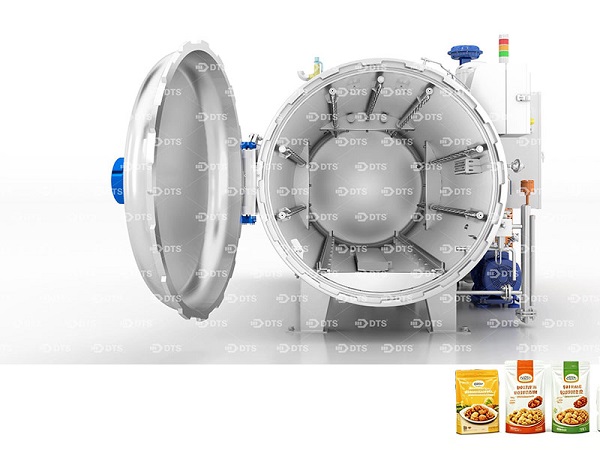
Packaging Types DTS Retort Systems Are Built For
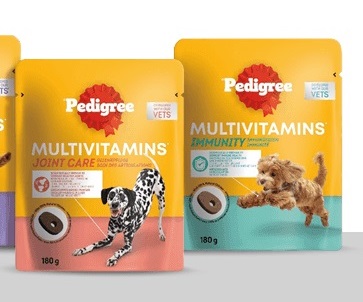
Retort Pouches
Overpressure tracking keeps seals intact through heating and cooling.

Trays & Bowls
Precise pressure balance prevents deformation and swelling.
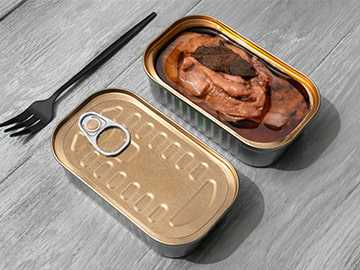
Cans & Jars
Uniform heat distribution for consistent sterilization, batch after batch.
Watch: DTS Retort Lines in Action
Interview: Packaging and Sterilization in the Words of the Team
Q1: What new needs and challenges do food companies have for high-temperature retort packaging?
Consumers no longer consider only taste and price: food safety, storage stability and clean-label ingredients are now primary criteria, and demands on packaging material safety — no harmful substance migration — have risen sharply, pushing the packaging industry to hold the safety baseline of food-contact materials. At the same time, convenience scenarios have gone mainstream: ambient, ready-to-eat foods keep growing, breaking the traditional reliance on cold-chain storage and demanding packaging that fits.
Growing demand for ambient food has created a rigid need for long-shelf-life packaging that locks in freshness and blocks contamination. High-quality packaging is now an industry must-have — its core value has upgraded from simple containing and protection to quality preservation and safety assurance.
Most ambient foods go through high-temperature sterilization, so packaging must offer excellent heat resistance, pressure resistance and retortability, and must not deform, burst or release harmful substances during retorting, while maintaining stable barrier and protective performance.
This depends closely on precise matching with retort sterilization processes — the integrated convergence of packaging and sterilization is already the core trend of the packaging industry.
Q2: What features of DTS equipment match Amcor packaging well?
First, high temperature uniformity — consistent sterilization. It thoroughly avoids the problem of some products being under-sterilized and others over-sterilized due to local temperature differences, perfectly matching the core needs of high-end packaging: long-term freshness and sterile safety.
Second, precise temperature control — preserving original product quality. Temperature overshoot or over-time in sterilization not only damages food taste, color and nutrition, but also accelerates packaging material aging and lowers barrier performance.
Third, rich process experience — customized adaptation to every packaging type. For packaging of different materials, thicknesses, structures and tolerance conditions, DTS carries out pre-production testing and joint validation with packaging partners, tailoring exclusive sterilization process recipes that precisely match the industrial production needs of new, innovative packaging.
Three Reasons DTS Retort Systems Match High-Barrier Retort Packaging
Uniform Temperature Distribution
±0.5°C across the chamber, built to ASME, CE-PED and FDA 21 CFR 113 — every package receives the same heat history, eliminating under- and over-sterilization.
Precise Temperature & Pressure Control
Temperature and pressure controlled independently; overpressure tracking at roughly ±0.05 bar keeps pouch seals intact and protects product taste, color and nutrition.
Process Experience & Custom Recipes
26 years, 7,500+ retorts delivered, customers in 60 countries — joint testing with packaging partners and tailored sterilization recipes move new packaging to industrial scale fast.
FAQ
Q1: What is retort packaging?
Retort packaging is packaging designed to withstand high-temperature sterilization (typically 115–135°C under pressure), such as retort pouches, trays, lidding films and cans. It keeps barrier and seal integrity through heating and cooling so food stays shelf-stable without a cold chain.
Q2: Which retort machine is best for retort pouches?
Water spray retorts and steam-air retorts are commonly used for flexible pouches because they allow continuous overpressure adjustment — DTS systems hold pressure control within roughly ±0.05 bar.
Q3: How does DTS ensure temperature uniformity?
DTS retorts achieve ±0.5°C thermal distribution through engineered water circulation and spray systems with PLC control, built to ASME, CE-PED and FDA 21 CFR 113 standards.
Q4: Can DTS handle recyclable retort packaging such as AmLite HeatFlex™?
Yes. DTS develops sterilization recipes matched to each packaging structure through joint validation with packaging partners, including metal-free, recycle-ready retort films.
Q5: Why do shelf-stable foods need high-barrier packaging?
Shelf-stable foods are stored at ambient temperature for months, so packaging must block oxygen, moisture and light while surviving the retort process — high-barrier structures preserve quality and extend shelf life.


