


How Does Food pH Affect Microbial Growth and Retort Sterilization Requirements?
Every sealed food that leaves a production line carries a hidden engineering question: how much heat is enough, and how is that answer different for a tomato sauce than for a canned meat stew? Food pH sits at the center of that question. It shapes which microorganisms can survive, how heat-resistant they are, and therefore what a retort sterilization schedule must deliver. This guide explains the science in plain language, covering the pH 4.6 threshold, microbial heat resistance, and the factors that turn a single pH reading into a validated retort sterilization process.
Key Takeaways
pH 4.6 is the regulatory threshold that separates acid and acidified foods from low-acid canned foods in retort sterilization planning.
Low pH can inhibit many bacteria, but it does not make a food safe by itself — yeasts, molds and some pathogens still survive in acidic conditions.
Acidity can reduce the heat resistance of some microorganisms, but pH alone cannot be used to calculate retort processing time or temperature.
A complete retort sterilization schedule depends on heat penetration studies, packaging, formulation, buffering capacity and validated process records.
Changes in formulation, acidification or package size require re-evaluation and revalidation of the existing retort sterilization process.
Why Is pH Important for Food Safety?
pH measures the acidity or alkalinity of a food on a scale typically ranging from 0 to 14. A pH of 7 is neutral, while values below 7 are acidic and values above 7 are alkaline.
Many bacteria grow well under conditions close to neutral pH, while acidic environments can inhibit the growth of various microorganisms. However, low pH does not mean that a food is free from microbial risks. Certain yeasts and molds can grow in acidic foods, and some pathogens may survive under acidic conditions.
For this reason, pH is an important factor in food safety assessment, but it cannot be used alone to determine whether a product is safe.
How Does Food pH Affect Retort Processing Requirements?
For sealed, shelf-stable foods, the U.S. FDA uses pH 4.6 as an important threshold when distinguishing acid and acidified foods from low-acid canned foods. The appropriate processing requirements depend on the product category, formulation, water activity and applicable regulations. Products above pH 4.6 with a water activity greater than 0.85 are generally regarded as low-acid canned foods, and their retort sterilization schedules are designed around heat-resistant spore control.
| Food Category | Typical pH Characteristics | Key Considerations for Thermal Processing |
|---|---|---|
| Fruits and fruit juices | Generally acidic | Control of yeasts, molds and acid-tolerant microorganisms while maintaining flavor and color |
| Tomato sauces and condiments | Varies with formulation | Final equilibrium pH, viscosity, particle size and heating uniformity |
| Meat, fish, corn and vegetable products | Many products are low-acid | Heat-resistant spores, product cold spot and validated thermal processing schedules |
| Acidified vegetables and sauces | pH reduced through acidification | Acid distribution, final equilibrium pH and applicable heat treatment requirements |
| Pet food, including wet food | Depends on ingredients and formulation | pH, fat and protein content, package type and heat penetration characteristics |
These categories are for general reference only. The pH of the same type of food can vary considerably with its formulation and processing method. The table below summarizes how the pH category shapes the core microbial control objective in a retort sterilization process.
| pH Category | Finished Equilibrium pH | Primary Microbial Control Objective |
|---|---|---|
| Acid food | Below 4.6 by nature | Yeasts, molds and acid-tolerant bacteria; heat treatment for shelf stability |
| Acidified food | 4.6 or below after acidification | Consistent acid distribution and control of acid-tolerant spoilage organisms |
| Low-acid canned food | Above 4.6 | Clostridium botulinum spores and other heat-resistant pathogens via validated thermal process |
How Does pH Influence Microbial Heat Resistance?
Food acidity affects not only microbial growth but also how microorganisms respond to heat. For some microorganisms, heat resistance may decrease when the surrounding pH moves away from their optimal range for growth. However, this relationship depends on the microorganism, food composition and processing conditions.
Consequently, pH alone cannot be used to calculate a retort processing time or temperature.
In low-acid, hermetically sealed foods, Clostridium botulinum spores are a key consideration in thermal process design. Low-acid canned foods generally refer to products with a finished equilibrium pH above 4.6 and a water activity greater than 0.85, subject to applicable regulatory definitions and exclusions. Appropriate thermal processing must be established and validated to control relevant microbial hazards, and regulations for low-acid canned foods describe the process requirements for these products.
Acid and acidified foods may require different microbial control strategies. Nevertheless, manufacturers still need to consider acid-tolerant microorganisms, product quality and intended storage conditions. For acidified products, acidified food processing regulations require that the final equilibrium pH and the methods used to control it be documented.
What Other Factors Affect Retort Sterilization?
A single pH measurement is not sufficient to establish a retort sterilization schedule. Several other factors influence heat transfer and microbial control.
Formulation and buffering capacity. Proteins, fats, salts and sugars can affect microbial heat resistance, while the buffering capacity of a food influences how its pH responds to changes in formulation.
Product consistency and structure. Viscosity, solid content and particle size can affect heat transfer within sauces, soups and other formulated foods. Products with different physical characteristics may require different thermal processing assessments.
Packaging format. Metal cans, glass jars, plastic containers and flexible pouches differ in dimensions, material properties and filling configurations. These differences can affect heat penetration and the location of the product cold spot.
Initial temperature and processing conditions. Initial product temperature, retort temperature, holding time, pressure control and cooling conditions all need to be considered when establishing a suitable process.
pH measurement and process control. A calibrated pH meter should be used, with sampling methods and testing frequency appropriate to the product. For acidified foods, the final equilibrium pH and the method used to determine it are particularly important.
Need a Retort Sterilization Solution for Your Product?
DTS builds retort machines and sterilization lines for pouches, cans, jars, bottles, bowls and trays across food categories. Share your product's pH, packaging and process targets to receive a tailored recommendation.
Get a QuoteView Retort Product RangeEmail Our TeamHow Should pH Be Incorporated into Retort Process Design?
Food manufacturers should evaluate pH alongside product formulation, package dimensions, storage conditions and target shelf life before establishing a thermal processing schedule. International guidance on canned food processing, such as the Codex codes of practice for food hygiene, supports a structured approach to heat treatment validation.
Changes in formulation, acidification methods, package size or solid content may affect the suitability of an existing process. Where necessary, the process should be reassessed and revalidated by qualified thermal processing personnel, and the retort sterilization schedule updated accordingly.
For sealed, shelf-stable foods, particularly low-acid canned foods, the processing schedule should be established by qualified professionals with reference to the product's heat penetration characteristics and applicable regulatory requirements. Processing temperature and holding time should not be adjusted based on pH alone.
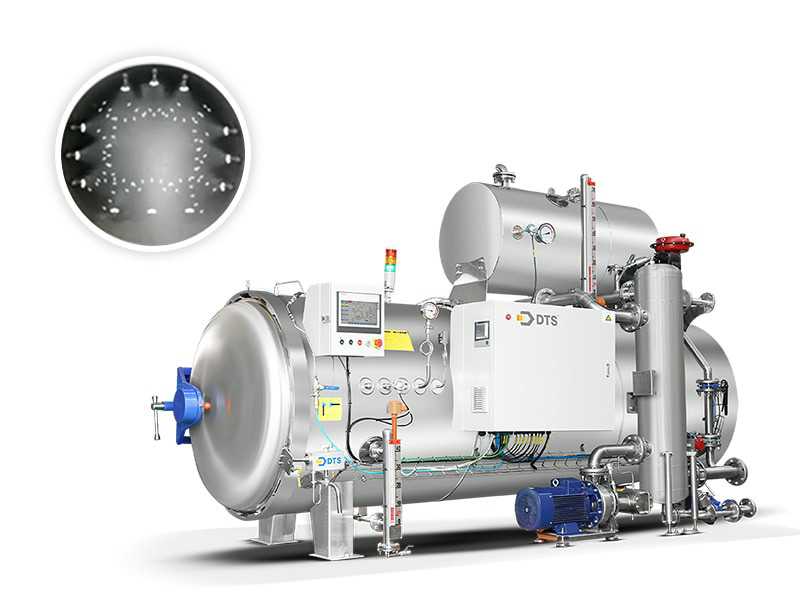
Water Spray Retort Machine
Steam water spray retort for pouches, cans and trays with uniform heat distribution and touchscreen process control.
View Product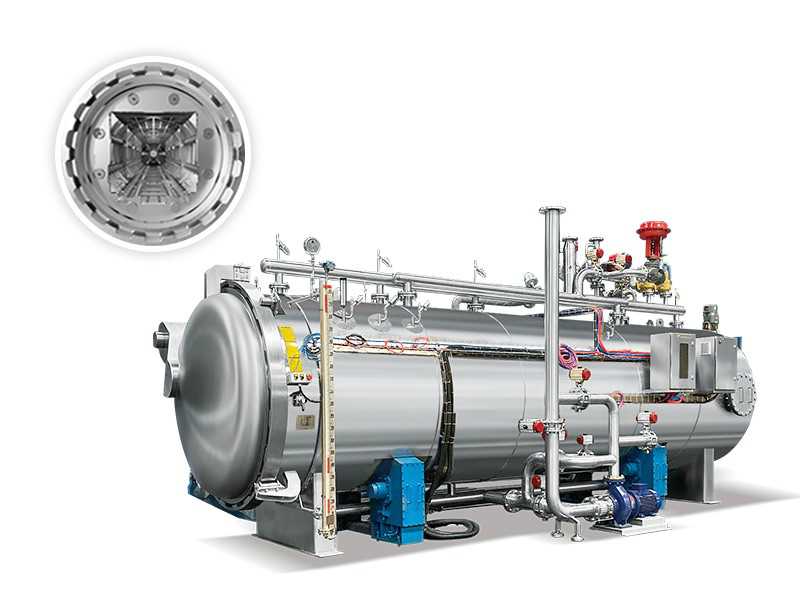
Rotary Retort Machine
Rotating autoclave that gently agitates liquid and semi-liquid products for faster heat penetration during sterilization.
View Product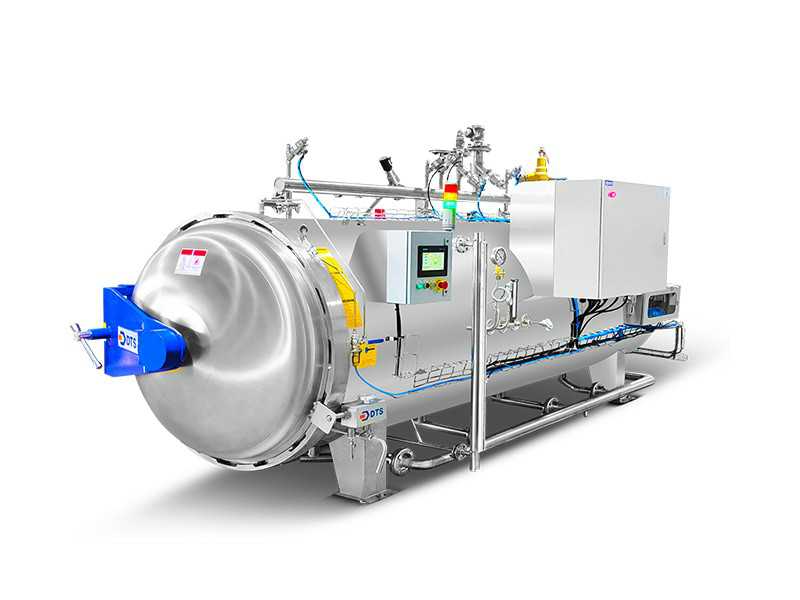
Steam Retort Machine
Steam autoclave retort designed for low-acid canned foods that require validated high-temperature sterilization cycles.
View ProductConclusion
Food pH is an important link between formulation, microbial control and retort sterilization. When combined with heat penetration studies, packaging assessment and process validation, pH measurement helps manufacturers develop appropriate thermal processing schedules while managing product quality and production consistency. The pH 4.6 threshold, the heat resistance of Clostridium botulinum spores, and the full set of processing variables together define what a safe retort sterilization process must achieve for each product.
For teams planning a new line or revalidating an existing one, working with an experienced retort machine manufacturer shortens the path from formulation to validated production. DTS designs and builds water spray, rotary, steam and immersion retort machines for food, beverage and pet food sterilization, and supports process consultation based on your product's characteristics. If you are looking for a reliable retort machine manufacturer, choose DTS and discuss your sterilization requirements with the engineering team.
Match a Retort Machine to Your Product's pH Category
Tell DTS your product type, pH range, packaging format and target capacity, and the team will recommend a retort machine configuration and discuss process validation support.
Get a QuoteView Rotary RetortFAQ
pH 4.6 is the threshold used by the U.S. FDA to separate acid and acidified foods from low-acid canned foods. Products above pH 4.6 with water activity greater than 0.85 are generally treated as low-acid and require validated thermal processing to control heat-resistant spores.
No. pH alone cannot be used to calculate a retort sterilization schedule. Thermal process design also depends on heat penetration studies, product consistency, packaging dimensions, initial temperature, retort temperature, holding time and validated process records.
Low-acid foods generally have a finished equilibrium pH above 4.6 and usually require a scheduled thermal process that controls Clostridium botulinum spores. Acidified foods are made from low-acid ingredients with acid added to bring the final equilibrium pH to 4.6 or below, which changes the required microbial control strategy.
Clostridium botulinum can form heat-resistant spores that survive mild heat treatment in hermetically sealed low-acid foods. Retort sterilization schedules for these products are therefore designed and validated to deliver enough heat to the coldest point of every package to control this hazard.
Key factors include formulation and buffering capacity, product consistency and particle size, packaging format, initial temperature, retort temperature, holding time, pressure control, cooling conditions and pH measurement methods. All of them influence heat penetration and the location of the product cold spot.
References and Notes
Electronic Code of Federal Regulations, 21 CFR Part 113 – Thermally Processed Low-Acid Foods Packaged in Hermetically Sealed Containers: https://www.ecfr.gov/current/title-21/chapter-I/subchapter-B/part-113
Electronic Code of Federal Regulations, 21 CFR Part 114 – Acidified Foods: https://www.ecfr.gov/current/title-21/chapter-I/subchapter-B/part-114
FAO/WHO Codex Alimentarius, Codes of Practice for Food Hygiene: https://www.fao.org/fao-who-codexalimentarius/codex-texts/codes-of-practice/en/


